

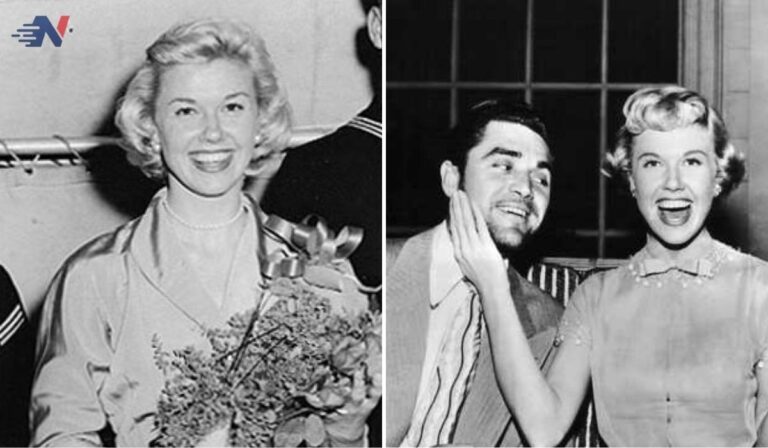
Hollywood has always been known for its glamour, success stories, and larger-than-life stars. Yet behind many famous smiles are personal struggles that the public rarely sees. One of the most striking examples is the early life of legendary actress and singer Doris Day. While she became known as America’s Sweetheart, her first marriage was marked by fear, heartbreak, and abuse.
At the center of this difficult chapter was Al Jorden, a talented big-band trombonist whose life became forever linked to Doris Day’s story. Although he played an important role in the music world of the 1940s, he is remembered today largely because of his relationship with the future Hollywood icon.
Understanding who Al Jorden was provides important insight into the challenges Doris Day overcame before achieving worldwide fame.
Quick Facts About Al Jorden
| Detail | Information |
|---|---|
| Full Name | Albert Paul Jorden |
| Date of Birth | February 1, 1917 |
| Birthplace | Evanston, Illinois, USA |
| Profession | Trombonist and Big Band Musician |
| Famous For | First husband of Doris Day |
| Marriage to Doris Day | 1941–1943 |
| Child | Terrence Paul Jorden (Terry Melcher) |
| Music Affiliations | Barney Rapp Orchestra, Gene Krupa Orchestra |
| Date of Death | July 5, 1967 |
| Cause of Death | Suicide |
Early Life and Musical Beginnings
Albert Paul Jorden was born in Evanston, Illinois, during a period when jazz and swing music were becoming major parts of American culture. Like many young musicians of his generation, he was drawn to the excitement of live performance and the opportunities offered by the growing entertainment industry.
The trombone became his instrument of choice. Through years of practice and performance, he developed the skills needed to compete in the demanding world of professional music. During the 1930s and early 1940s, big-band orchestras were among the most popular forms of entertainment in America, and talented musicians could build successful careers by touring with well-known groups.
Jorden eventually earned positions with respected bands, including those led by Barney Rapp and Gene Krupa. These opportunities placed him among some of the leading performers of the swing era and helped establish his reputation as a capable musician.
However, professional success did not necessarily translate into personal stability. Accounts from later years suggest that Jorden struggled with emotional and psychological issues that would have a profound effect on his relationships.
How Al Jorden Met Doris Day
The story of Al Jorden and Doris Day began in Cincinnati, Ohio, around 1940.
At the time, Doris Day—then known as Doris von Kappelhoff—was an aspiring singer trying to establish herself in the music industry. She was still a teenager and had recently joined Barney Rapp’s orchestra as a vocalist.
Jorden was older, more experienced, and already working as a trombonist in the same band.
According to Doris Day‘s later recollections, she was not initially interested in him. In interviews and her autobiography, she described being uncomfortable with his behavior and resisted his attempts to pursue a relationship. Nevertheless, their frequent contact through touring and performances eventually brought them closer together.
As their relationship developed, Day hoped she had found the stability and family life she longed for after witnessing difficulties in her own parents’ marriage.
A Marriage That Began Too Quickly
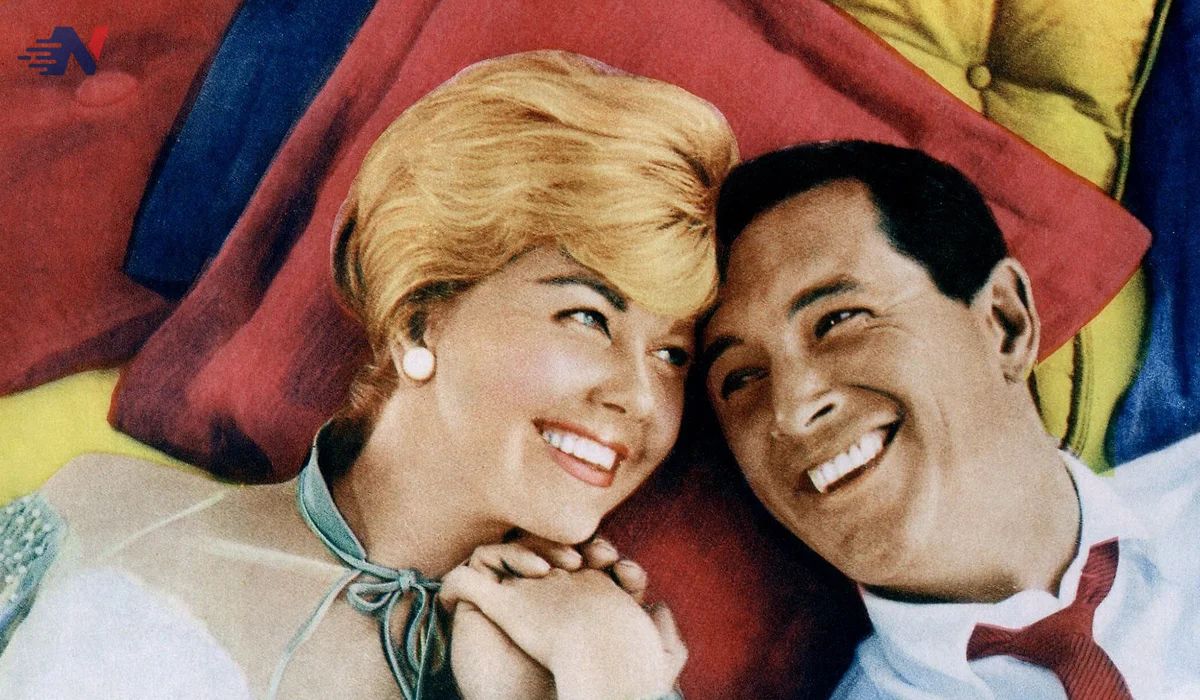
In March 1941, Doris Day and Al Jorden married in New York.
Looking back, many people close to Day believed the marriage happened too quickly. She was only eighteen years old and still at the beginning of her career. Friends and family reportedly expressed concerns about the relationship, but she moved forward with the wedding.
What should have been a joyful new chapter soon became a nightmare.
Within a very short time after the marriage, serious problems emerged. The relationship became increasingly controlling, volatile, and abusive. Day later revealed that Jorden displayed extreme jealousy and frequently accused her of being involved with other musicians or entertainers despite having no evidence.
The behavior gradually escalated into physical violence.
The Abuse Behind Closed Doors
One of the most disturbing aspects of Doris Day’s story is the abuse she endured during her marriage to Jorden.
According to Day’s own accounts, he became physically violent early in the relationship. His jealousy often triggered angry outbursts, and she lived under constant fear of provoking another confrontation.
The abuse was not limited to private arguments. Some incidents reportedly occurred in public settings, leaving Day humiliated and frightened.
Domestic violence was rarely discussed openly during the 1940s, and many women felt trapped in abusive relationships due to social pressures, financial dependence, or fear of judgment. Day’s experience reflected a reality faced by countless women of that era.
Despite her growing success as a singer, she struggled privately with a situation that threatened both her emotional and physical well-being.
Pregnancy and Growing Danger
The situation became even more serious when Doris Day became pregnant.
Rather than welcoming the news, Jorden reportedly reacted with anger. Day later described frightening incidents during her pregnancy that left her concerned not only for herself but also for her unborn child.
Biographers and historical accounts have documented allegations that Jorden attempted to pressure her into ending the pregnancy and engaged in behavior that endangered both mother and baby.
These experiences became a turning point in Day’s life. As the abuse intensified, she increasingly realized that remaining in the marriage could have devastating consequences.
The Birth of Terry Melcher
On February 8, 1942, Doris Day gave birth to her son, Terrence Paul Jorden.
The arrival of Terry brought joy and purpose to her life during an otherwise difficult period. Day became deeply devoted to her son and focused on protecting him from the instability surrounding the family.
Unfortunately, the birth of the child did not improve the marriage. Tensions continued, and Day’s concern for Terry’s safety became one of the primary reasons she eventually decided to leave.
Years later, Terry would become one of the most successful music producers of the 1960s, working with influential artists and helping shape popular music during a transformative era.
Finding the Courage to Leave
By early 1943, Doris Day reached a point where she could no longer tolerate the abuse.
Determined to protect herself and her son, she separated from Jorden and pursued a divorce. The marriage officially ended after less than two years.
Leaving an abusive relationship was not easy, especially for a young mother with limited resources. Yet this decision became one of the most important turning points in her life.
Free from the constant fear and instability of her marriage, Day focused on rebuilding her career. Her talent, determination, and resilience soon opened doors that would transform her into one of the biggest entertainment stars in the world.
Doris Day’s Rise to Stardom
Following the divorce, Doris Day’s career accelerated rapidly.
Her recordings with the Les Brown Orchestra gained national attention, particularly the hit song “Sentimental Journey,” which became enormously popular with Americans returning home from World War II.
From there, she successfully transitioned into film, starring in dozens of successful movies and becoming one of Hollywood’s most beloved actresses.
Throughout her career, Day was admired for her warmth, optimism, and professionalism. Few fans realized the painful experiences she had overcome before reaching such extraordinary success.
Her story became a powerful example of perseverance and personal strength.
Al Jorden’s Later Years
After his marriage to Doris Day ended, Al Jorden largely disappeared from the public spotlight.
While he continued working as a musician for some time, he never achieved the level of fame or success enjoyed by his former wife. Historical accounts suggest that he faced ongoing personal and mental health challenges throughout the remainder of his life.
Many biographers have speculated that untreated psychological illness may have contributed to his behavior and later struggles. However, exact diagnoses remain difficult to verify due to limited medical documentation from that period.
On July 5, 1967, Jorden died from a self-inflicted gunshot wound in Ohio. He was fifty years old.
His death marked a tragic end to a troubled life.
The Legacy of Terry Melcher
Although Al Jorden’s personal legacy remains controversial, his son Terry Melcher became a major figure in American music.
After Doris Day married producer Martin Melcher, Terry was adopted and took his stepfather’s surname. He later built a successful career as a producer and songwriter, working with artists such as The Byrds and contributing to the development of the California Sound that defined much of the 1960s music scene.
Terry’s achievements became one of the brightest outcomes to emerge from a difficult chapter in Doris Day’s life.
Day often expressed gratitude for her son and viewed him as one of the greatest blessings she ever received.
Why Al Jorden Remains Part of Doris Day’s Story
Al Jorden occupies a unique place in entertainment history. He was not a major celebrity, award-winning performer, or household name. Yet his connection to Doris Day ensures that he remains part of the story surrounding one of Hollywood’s most beloved stars.
His life serves as a reminder that fame does not shield individuals from personal hardship. It also highlights the strength Doris Day demonstrated in overcoming abuse, raising a child as a young single mother, and building an extraordinary career despite immense challenges.
Today, discussions about Al Jorden are less about his musical accomplishments and more about the lessons that can be learned from this difficult chapter of Hollywood history.
Final Thoughts
Al Jorden was a talented big-band trombonist whose life became permanently intertwined with that of Doris Day. While he enjoyed a respectable career in music, his legacy is overshadowed by the abusive relationship that deeply affected the future star.
For Doris Day, surviving that marriage required tremendous courage. Her ability to move forward, protect her son, and eventually become one of the most successful entertainers of her generation remains an inspiring story of resilience.
Although Al Jorden represents one of the darkest periods in Day’s life, her journey demonstrates that even after hardship and trauma, it is possible to rebuild, succeed, and create a lasting legacy.
Frequently Asked Questions (FAQs)
Who was Al Jorden?
Al Jorden was an American trombonist who performed with several big-band orchestras during the swing era. He is best known as the first husband of singer and actress Doris Day.
How long were Doris Day and Al Jorden married?
The couple married in March 1941 and divorced in 1943. Their marriage lasted less than two years.
Did Al Jorden and Doris Day have children?
Yes. They had one son, Terrence Paul Jorden, who later became known as music producer Terry Melcher.
Why did Doris Day leave Al Jorden?
Doris Day later revealed that she experienced physical and emotional abuse during the marriage. Concern for her own safety and the safety of her son ultimately led her to leave.
What happened to Al Jorden after the divorce?
After the divorce, Jorden continued working as a musician but remained largely out of the public eye. He reportedly struggled with mental health challenges throughout his later years.
How did Al Jorden die?
Al Jorden died on July 5, 1967, from a self-inflicted gunshot wound in Ohio.
What is Terry Melcher known for?
Terry Melcher became a successful music producer and songwriter. He worked with major artists including The Byrds and played an important role in shaping popular music during the 1960s.
