

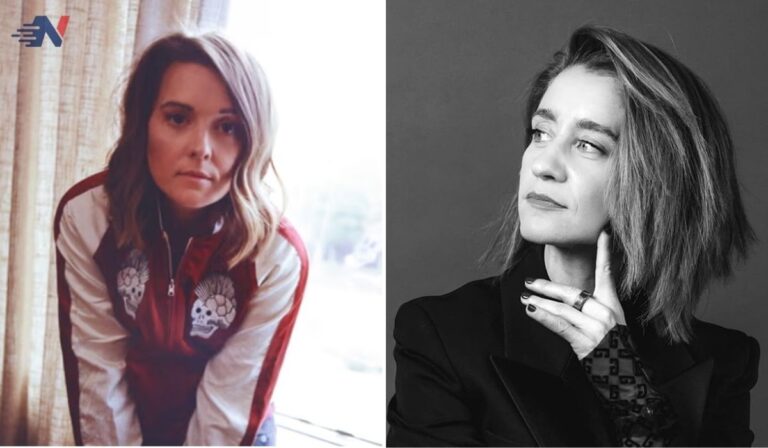
The media industry has produced many influential writers over the years, but few have experienced a professional transformation quite like Eve Barlow. Known first as a respected music journalist and pop culture critic, she later became an independent writer and activist whose commentary extends far beyond entertainment. Her career reflects the changing nature of modern journalism, where traditional media institutions increasingly share influence with independent digital platforms.
Over the last two decades, Eve Barlow has built a reputation for sharp analysis, strong opinions, and a willingness to discuss difficult topics. From interviewing some of the world’s biggest musicians to becoming a recognized voice in political and cultural debates, her path has been anything but conventional.
Quick Facts About Eve Barlow
| Detail | Information |
|---|---|
| Full Name | Eve Barlow |
| Birth Year | 1986 |
| Birthplace | Glasgow, Scotland |
| Nationality | British |
| Education | University of Manchester |
| Degree | Bachelor of Laws (LLB) |
| Profession | Journalist, Writer, Commentator |
| Known For | Music Journalism, Cultural Commentary |
| Former Position | Deputy Editor at NME |
| Current Platform | Blacklisted Substack |
| Residence | Los Angeles, California |
| Advocacy Interests | Jewish Identity, Media Criticism, Online Antisemitism |
Early Life and Family Background
Eve Barlow was born in Glasgow, Scotland, into a Jewish family with strong cultural roots. Her upbringing played a significant role in shaping the viewpoints that would later become visible throughout her writing career.
Growing up, she was surrounded by stories about family history, migration, and perseverance. These experiences helped create an awareness of identity, heritage, and social issues from a young age. Such themes would eventually become recurring topics in both her journalism and public commentary.
Her father, George Barlow, worked in medicine and earned recognition for his contributions to public healthcare in the United Kingdom. Family members encouraged education, curiosity, and independent thinking, qualities that later became central to Eve’s professional success.
Music was also a major part of her childhood. Exposure to classic artists and rock-and-roll legends helped develop her interest in popular culture long before she entered the media industry.
Education and Legal Studies
Before becoming a journalist, Eve Barlow pursued an academic path that surprised many people who later followed her media career.
She attended the University of Manchester, where she studied law and graduated with an honors degree. Legal education provided her with analytical skills, research methods, and the ability to construct detailed arguments based on evidence.
Although she chose not to become a practicing lawyer, the discipline of legal training influenced her writing style. Readers often note that her articles combine storytelling with detailed analysis, a characteristic likely strengthened by her years studying law.
Many successful journalists come from traditional media or literature backgrounds. Barlow’s legal education gave her a different perspective that helped distinguish her work from many of her peers.
Entering the World of Music Journalism
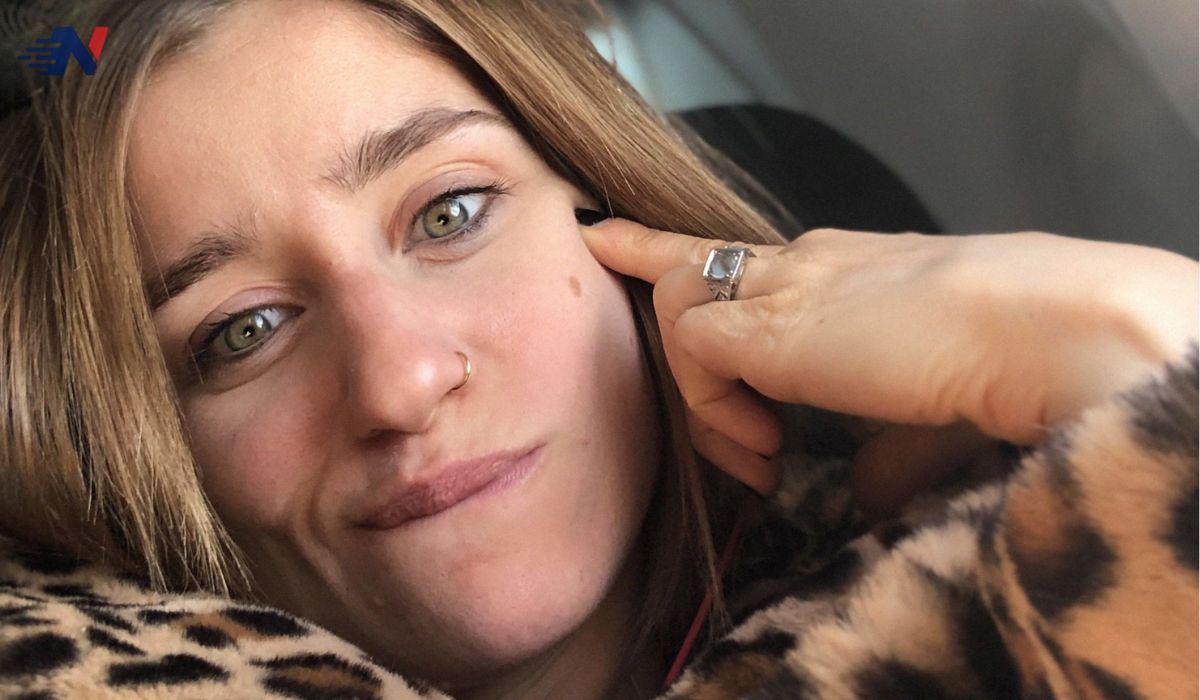
After university, Barlow moved toward journalism rather than law. She entered the highly competitive music media landscape during a period when the industry was rapidly changing.
Social media platforms were beginning to reshape how audiences consumed entertainment news. Traditional magazines were adapting to digital publishing, while new voices were emerging online every day.
Rather than waiting for opportunities to appear, Barlow actively developed her public profile through music commentary and cultural criticism. Her observations about emerging artists and industry trends quickly attracted attention within media circles.
Her willingness to express strong opinions helped establish her reputation as a journalist who was not afraid to challenge conventional thinking.
Rise at NME
One of the most important milestones in Eve Barlow’s career came through her work with New Musical Express (NME), one of the most influential music publications in British history.
Over time, she rose through the editorial ranks and eventually became Deputy Editor. The role placed her at the center of conversations about music, entertainment, and youth culture.
During her years at NME, she worked on artist profiles, editorial strategy, feature stories, and cultural analysis. The publication covered everything from alternative rock and indie music to mainstream pop stars, giving her broad exposure to the entertainment industry.
The experience helped establish her as a respected figure within British music journalism and opened doors to international opportunities.
Moving to Los Angeles
In 2014, Barlow relocated to Los Angeles, one of the world’s most important entertainment capitals.
The move marked the beginning of a new chapter in her career. Instead of focusing exclusively on British media, she expanded her reach across major American publications.
Los Angeles offered direct access to musicians, actors, producers, and industry executives. This environment allowed her to produce deeper and more comprehensive reporting about modern entertainment culture.
Her relocation also coincided with significant changes in digital media, creating new opportunities for freelance journalists with strong personal brands.
Writing for Major Publications
As a freelance writer, Eve Barlow contributed to numerous respected publications.
Her work appeared in outlets including:
- The Guardian
- Billboard
- Pitchfork
- GQ
- New York Magazine
- Los Angeles Times
Through these publications, she interviewed artists, analyzed music trends, and explored the relationship between celebrity culture and society.
Unlike many entertainment writers who focused only on promotional coverage, Barlow often examined broader cultural themes. Her articles explored fame, identity, public image, and the impact of social media on modern celebrity life.
This approach earned praise from readers who wanted deeper insights rather than simple entertainment news.
Interviewing Some of Music’s Biggest Stars
Throughout her journalism career, Barlow conducted interviews with many influential musicians and cultural figures.
Her reporting style focused on understanding artists beyond their public personas. Instead of relying solely on promotional talking points, she sought to explore personal motivations, creative processes, and social influences.
This method helped produce detailed profiles that resonated with audiences and industry professionals alike.
Her ability to connect music with wider cultural conversations became one of the defining characteristics of her work.
A Shift Toward Cultural and Political Commentary
As the years progressed, Barlow’s interests expanded beyond entertainment journalism.
She increasingly wrote about cultural issues, public discourse, identity, and media responsibility. Social media platforms gave her direct access to readers and allowed her to discuss topics that traditional entertainment publications rarely covered.
This evolution reflected broader changes occurring throughout journalism. Many writers were building personal audiences that extended beyond the subjects they originally covered.
For Barlow, the shift led to greater involvement in debates surrounding politics, culture, and social issues.
Challenges and Controversies
Like many public commentators, Eve Barlow has faced criticism and controversy.
Her outspoken opinions on political matters have generated strong reactions from supporters and critics alike. Discussions involving identity, religion, media bias, and social activism often create passionate responses online.
Barlow has frequently argued that independent voices are necessary in modern journalism and that public debate benefits from diverse perspectives.
Regardless of where readers stand on specific issues, her willingness to engage in controversial discussions has become a defining feature of her public profile.
Launching the Blacklisted Newsletter
One of the most significant developments in her recent career was the creation of her Substack newsletter, Blacklisted.
The platform allowed her to publish directly to readers without relying on traditional editorial structures. This independence gave her complete control over the topics she chose to cover.
Through Blacklisted, she discusses subjects ranging from culture and media to politics and identity.
The newsletter has attracted a dedicated readership and demonstrates how digital publishing has changed the relationship between writers and audiences.
Instead of depending entirely on magazines or newspapers, journalists can now build communities around their own work.
Advocacy and Public Engagement
Beyond journalism, Barlow has become active in public discussions involving Jewish identity and online antisemitism.
She regularly speaks about the challenges facing minority communities and the role media plays in shaping public understanding of social issues.
Her advocacy work has brought recognition from organizations that focus on Jewish culture and public affairs.
Supporters view her as an important voice on issues affecting Jewish communities, while critics sometimes challenge her positions. Regardless of perspective, her influence within these conversations continues to grow.
LGBTQ+ Identity and Personal Perspective
Eve Barlow is also openly lesbian and has written extensively about LGBTQ+ issues.
Her perspective is shaped by experiences that intersect with discussions about identity, community, and social belonging.
Rather than following a single ideological framework, she often encourages nuanced conversations about complicated topics. This willingness to challenge assumptions has become a recurring theme throughout her writing.
Her work demonstrates how personal experiences can inform broader cultural analysis while still encouraging debate and discussion.
The Impact of Independent Journalism
Barlow’s career reflects a larger transformation occurring across the media industry.
Traditional newspapers and magazines remain influential, but independent newsletters, podcasts, and digital platforms now play a major role in shaping public conversations.
Writers no longer need large institutions to reach audiences. Instead, they can communicate directly with readers through subscription-based platforms and social media channels.
Eve Barlow’s transition from magazine editor to independent commentator serves as a notable example of this shift.
Her story illustrates both the opportunities and challenges that accompany modern media independence.
What Makes Eve Barlow Different?
Several qualities distinguish Eve Barlow from many contemporary commentators.
First, she combines expertise from multiple fields, including law, journalism, entertainment, and cultural analysis.
Second, she has worked successfully in both traditional media and independent publishing environments.
Third, she consistently addresses subjects that many writers avoid because of their complexity or controversy.
Whether readers agree with her opinions or not, her commitment to expressing them openly has helped establish a distinctive public identity.
Eve Barlow’s Legacy
Eve Barlow’s professional journey demonstrates how careers can evolve alongside changing media landscapes.
She began as a music enthusiast with a law degree, rose to a leadership position at one of Britain’s most famous music magazines, became a respected freelance journalist in Los Angeles, and ultimately built an independent platform focused on broader cultural discussions.
Her career highlights the growing importance of direct audience engagement and the expanding role of independent journalism in the digital era.
As media continues to evolve, her story remains an interesting example of how writers can reinvent themselves while maintaining a strong commitment to their own voice and perspective.
Frequently Asked Questions
Who is Eve Barlow?
Eve Barlow is a Scottish-born journalist, writer, and commentator known for her work in music journalism, pop culture criticism, and independent media publishing.
Where was Eve Barlow born?
She was born in Glasgow, Scotland, and grew up in a Jewish family with strong cultural roots.
What did Eve Barlow study in college?
She studied law at the University of Manchester and earned an honors Bachelor of Laws (LLB) degree.
What is Eve Barlow known for?
She is known for her work as a music journalist, former NME editor, cultural commentator, and writer of the Blacklisted newsletter.
Did Eve Barlow work at NME?
Yes. She held several editorial positions and eventually became Deputy Editor of NME.
What is Blacklisted?
Blacklisted is Eve Barlow’s independent Substack newsletter where she publishes commentary on culture, media, politics, and identity.
Is Eve Barlow married?
Eve Barlow keeps much of her private life out of the public spotlight, and there is no widely confirmed public information indicating that she is married.
