

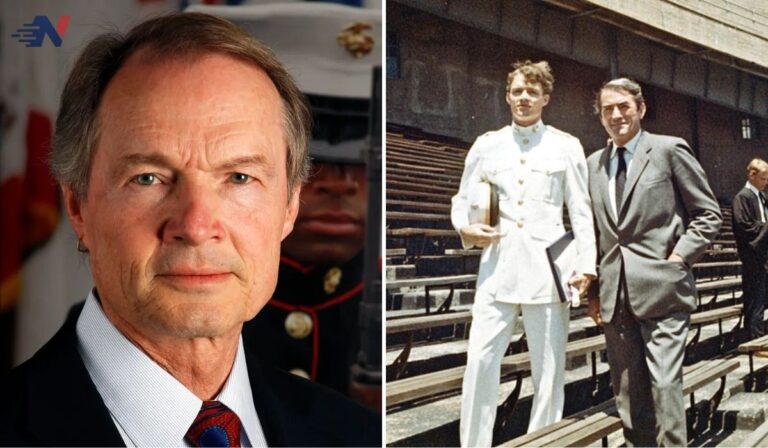
Many people recognize the name Gregory Peck as one of Hollywood’s most respected actors. His memorable performances and dignified public image made him a lasting icon in American cinema. However, one member of the Peck family chose a very different path. Rather than pursuing fame in front of cameras, Stephen Peck dedicated his life to serving others, particularly military veterans facing some of life’s toughest challenges.
For those wondering who Stephen Peck is, the answer goes far beyond his connection to a legendary father. Stephen J. Peck is a decorated Marine Corps veteran, social worker, filmmaker, and longtime advocate for homeless veterans. His life story is built on courage, compassion, and a commitment to helping people rebuild their lives.
From combat service during the Vietnam War to leading one of the largest veteran-support organizations in the United States, Stephen Peck created a legacy based on action rather than celebrity status. His achievements have touched thousands of lives and earned him widespread respect within veteran and nonprofit communities.
Quick Facts About Stephen Peck
| Detail | Information |
|---|---|
| Full Name | Stephen J. Peck |
| Birth Year | 1946 |
| Parents | Gregory Peck and Greta Kukkonen |
| Military Service | U.S. Marine Corps, Vietnam Veteran |
| Rank | First Lieutenant |
| Military Award | Navy Commendation Medal |
| Education | Northwestern University, USC |
| Profession | Veteran Advocate, Social Worker, Filmmaker |
| Former Position | President and CEO of U.S.VETS |
| Spouse | Kristine Kidd |
| Children | Ethan Peck and Marisa Matarazzo |
| Known For | Veteran Homelessness Advocacy |
Growing Up as Gregory Peck’s Son
Stephen Peck was born in 1946 during a period when his father’s Hollywood career was reaching new heights. As the son of Gregory Peck and Greta Kukkonen, he experienced a childhood that many people might consider glamorous.
Despite growing up around movie stars and entertainment industry figures, Stephen’s upbringing emphasized responsibility and integrity. Gregory Peck was known not only for his acting talent but also for his strong moral character and involvement in social causes. Those values left a lasting impression on his son.
While many celebrity children feel pressure to follow their parents into show business, Stephen developed different interests. He admired storytelling but was equally interested in public service and understanding the challenges facing ordinary people.
These early influences helped shape the direction of his future career.
Education and Early Career Interests
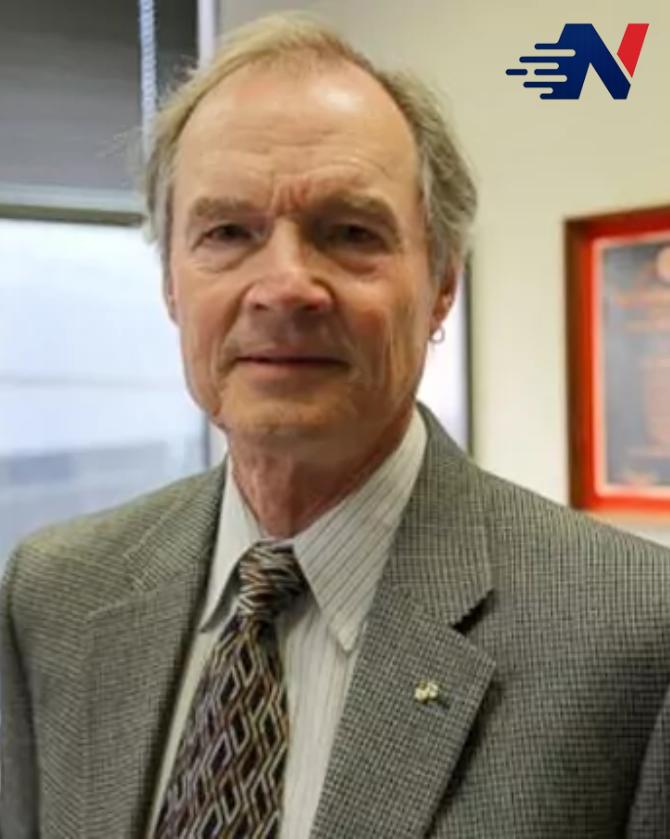
After completing his early education, Stephen attended Northwestern University, where he studied film and graduated with a Bachelor of Arts degree.
His interest in filmmaking was genuine. He appreciated the power of stories to educate people, encourage discussion, and create social change. During college, he learned about production techniques, writing, and visual storytelling.
At first, it seemed likely that Stephen would pursue a career connected to the entertainment industry. However, history had different plans.
The late 1960s were marked by political tension, social change, and the ongoing Vietnam War. Like many young Americans of his generation, Stephen faced decisions that would dramatically alter his future.
Serving in the Vietnam War
Instead of beginning a Hollywood career immediately after graduation, Stephen entered the United States Marine Corps.
He served as a First Lieutenant during the Vietnam War and was assigned to the 1st Marine Division. The experience exposed him to the realities of combat and the tremendous sacrifices made by military personnel.
His service earned him the Navy Commendation Medal, recognizing his dedication and leadership.
More importantly, Vietnam changed his understanding of human suffering, resilience, and recovery. He witnessed the emotional and psychological effects of war firsthand. Those experiences would later influence nearly every major decision in his professional life.
Years later, Stephen openly discussed the challenges many veterans face after returning home, including trauma, isolation, and difficulties adjusting to civilian life.
Returning Home and Exploring Filmmaking
After completing his military service, Stephen returned to one of his earlier passions: filmmaking.
Unlike many Hollywood productions focused on entertainment, his interests centered on real-life issues. He became involved in documentary projects that explored social concerns, particularly those affecting military veterans.
His work gave audiences a closer look at the struggles many former service members experienced after returning from war.
Documentary filmmaking allowed him to combine two important parts of his identity—his creative background and his military experience.
However, a powerful realization would eventually lead him away from filmmaking and toward direct social action.
The Moment That Changed Everything
One of the most significant turning points in Stephen Peck’s life came while working on documentaries focused on homeless veterans.
During interviews and field research, he met numerous former service members living on the streets of Los Angeles. Many were Vietnam veterans who had never received the support they needed after returning home.
Some had mental health challenges. Others struggled with addiction, unemployment, or a lack of affordable housing.
As Stephen listened to their stories, he recognized similarities between their experiences and those of fellow Marines he had known during the war.
The realization was deeply personal.
He concluded that simply documenting the problem was not enough. Real change required direct involvement and long-term commitment.
That decision transformed the course of his life.
Becoming a Social Worker
Determined to make a larger impact, Stephen entered the field of social work.
He eventually earned a Master of Social Work degree from the University of Southern California, gaining professional training in counseling, community development, and mental health support.
This education helped him better understand the complex factors contributing to homelessness among veterans.
Instead of focusing solely on emergency assistance, Stephen began developing approaches that addressed long-term recovery, stability, and independence.
His combination of military experience and professional social work training made him especially effective when working with veterans.
Many trusted him because he genuinely understood their struggles.
Helping Veterans on the Front Lines
Before becoming a nationally recognized nonprofit leader, Stephen spent years working directly with homeless veterans.
He conducted outreach efforts throughout Los Angeles, connecting vulnerable individuals with healthcare services, temporary shelter, counseling programs, and housing opportunities.
The work was challenging and often emotionally demanding.
Many veterans had spent years disconnected from support systems. Building trust required patience, persistence, and empathy.
Stephen’s firsthand understanding of military culture helped him establish relationships that others sometimes found difficult to build.
These experiences gave him valuable insight into what successful veteran support programs should look like.
Leadership at U.S.VETS
Stephen Peck eventually joined U.S.VETS, one of the nation’s largest nonprofit organizations dedicated to helping homeless and at-risk veterans.
His leadership skills quickly became apparent.
Over time, he helped expand services, strengthen partnerships, and improve access to housing and support programs.
In 2010, he became President and CEO of U.S.VETS.
During his leadership, the organization experienced substantial growth. Programs expanded into multiple states, and thousands of veterans received housing assistance, employment support, mental health services, and case management.
His focus was simple but powerful: provide veterans with the resources they need to rebuild stable and productive lives.
Fighting the Stigma Around PTSD
One reason Stephen became such an influential advocate was his willingness to discuss mental health openly.
For many years, post-traumatic stress disorder (PTSD) carried significant stigma, particularly among military veterans.
Stephen helped change that conversation.
By speaking honestly about the psychological impact of combat and recovery, he encouraged more veterans to seek support without shame.
His advocacy highlighted the importance of counseling, peer support, healthcare access, and community understanding.
This approach helped improve awareness not only within veteran communities but also among policymakers and the general public.
Family Life and Personal Relationships
Away from his professional responsibilities, Stephen Peck has enjoyed a strong family life.
He is married to Kristine Kidd, a respected culinary consultant, writer, and former editor in the food publishing industry.
Their relationship has provided stability and support throughout his demanding career.
Family remains an important part of Stephen’s life, and he has often emphasized the value of strong personal connections in overcoming life’s challenges.
Ethan Peck and the Family’s Hollywood Connection
While Stephen chose a path focused on service, his son Ethan Peck returned to the entertainment world.
Ethan has built a successful acting career and gained international recognition for portraying Spock in Star Trek: Strange New Worlds.
His success represents a continuation of the Peck family’s connection to film and television.
For Stephen, watching his son achieve success in Hollywood offers a unique connection between generations while highlighting the different paths family members can take.
Retirement and Lasting Legacy
After decades of service, Stephen Peck retired from his leadership role at U.S.VETS in 2025.
His retirement marked the conclusion of an extraordinary chapter in veteran advocacy, but his influence continues to be felt across the nonprofit sector.
Thousands of veterans have benefited from programs he helped create, expand, or improve.
His efforts also helped bring national attention to veteran homelessness, mental health support, and long-term recovery solutions.
Today, Stephen Peck is widely respected not because of his family name, but because of the meaningful impact he has made on countless lives.
Stephen Peck’s Legacy Beyond Hollywood
Although he was born into one of Hollywood’s most famous families, Stephen Peck built a legacy entirely his own.
His story is not one of movie premieres or red-carpet appearances. Instead, it is a story of military service, compassion, leadership, and dedication to helping others.
From the battlefields of Vietnam to the boardrooms of major nonprofit organizations, he devoted his life to supporting veterans and creating opportunities for people who needed them most.
For many, Stephen Peck will always be Gregory Peck’s son. Yet his greatest achievement is proving that true success is measured not by fame, but by the positive difference made in the lives of others.
Frequently Asked Questions
Who is Stephen Peck?
Stephen J. Peck is a Vietnam veteran, social worker, filmmaker, and former President and CEO of U.S.VETS. He is also the son of legendary actor Gregory Peck.
Did Stephen Peck serve in the military?
Yes. He served as a First Lieutenant in the United States Marine Corps during the Vietnam War and received the Navy Commendation Medal.
What is Stephen Peck known for?
He is best known for his leadership in veteran homelessness programs and his long career advocating for military veterans through U.S.VETS.
Is Stephen Peck related to actor Ethan Peck?
Yes. Ethan Peck, known for playing Spock in Star Trek: Strange New Worlds, is Stephen Peck’s son.
What did Stephen Peck study in college?
He earned a Bachelor of Arts degree in film from Northwestern University before later receiving a Master of Social Work degree from the University of Southern California.
Who is Stephen Peck’s wife?
Stephen Peck is married to Kristine Kidd, a culinary consultant, food writer, and former magazine editor.
Why is Stephen Peck important?
His work helped thousands of veterans access housing, healthcare, counseling, and employment services, making him one of the most respected veteran advocates in the United States.
